Revolutionary Smart Materials for Modern Infrastructure

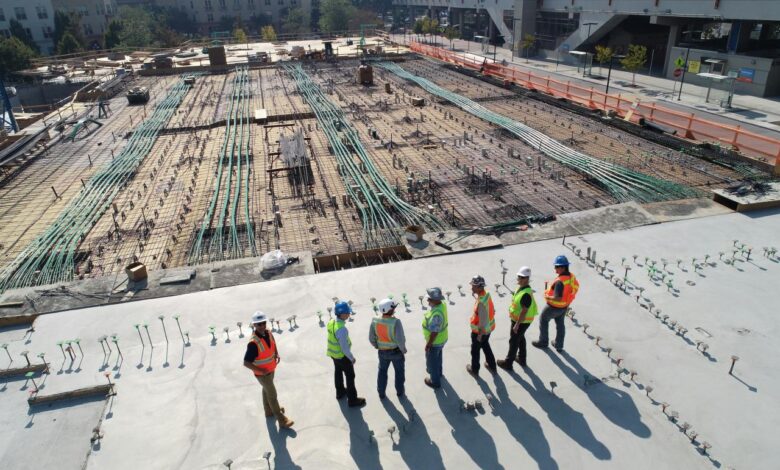
The global construction landscape is currently undergoing a massive transformation driven by the emergence of highly sophisticated and intelligent substances. For centuries, our roads, bridges, and skyscrapers relied on static materials like traditional concrete and standard timber that eventually succumbed to environmental wear and tear. Today, the integration of material science and nanotechnology has birthed a new generation of “smart” materials that can sense, react, and adapt to their surroundings.
These innovations are not just about building taller or faster; they are about creating a resilient, self-sustaining urban environment that requires minimal human intervention. As climate change increases the frequency of extreme weather, the need for infrastructure that can heal itself or generate energy has become a top priority for developers and governments alike. We are moving away from the era of “dumb” structures and entering an age where our buildings are as responsive as our smartphones.
Understanding these materials is essential for anyone involved in the future of urban planning, engineering, or real estate investment. This article will explore the most groundbreaking technologies currently redefining the physical foundation of our civilization. By utilizing these advanced resources, we can significantly reduce maintenance costs while drastically extending the lifespan of critical public assets.
The Evolution of Self-Healing Concrete Technology
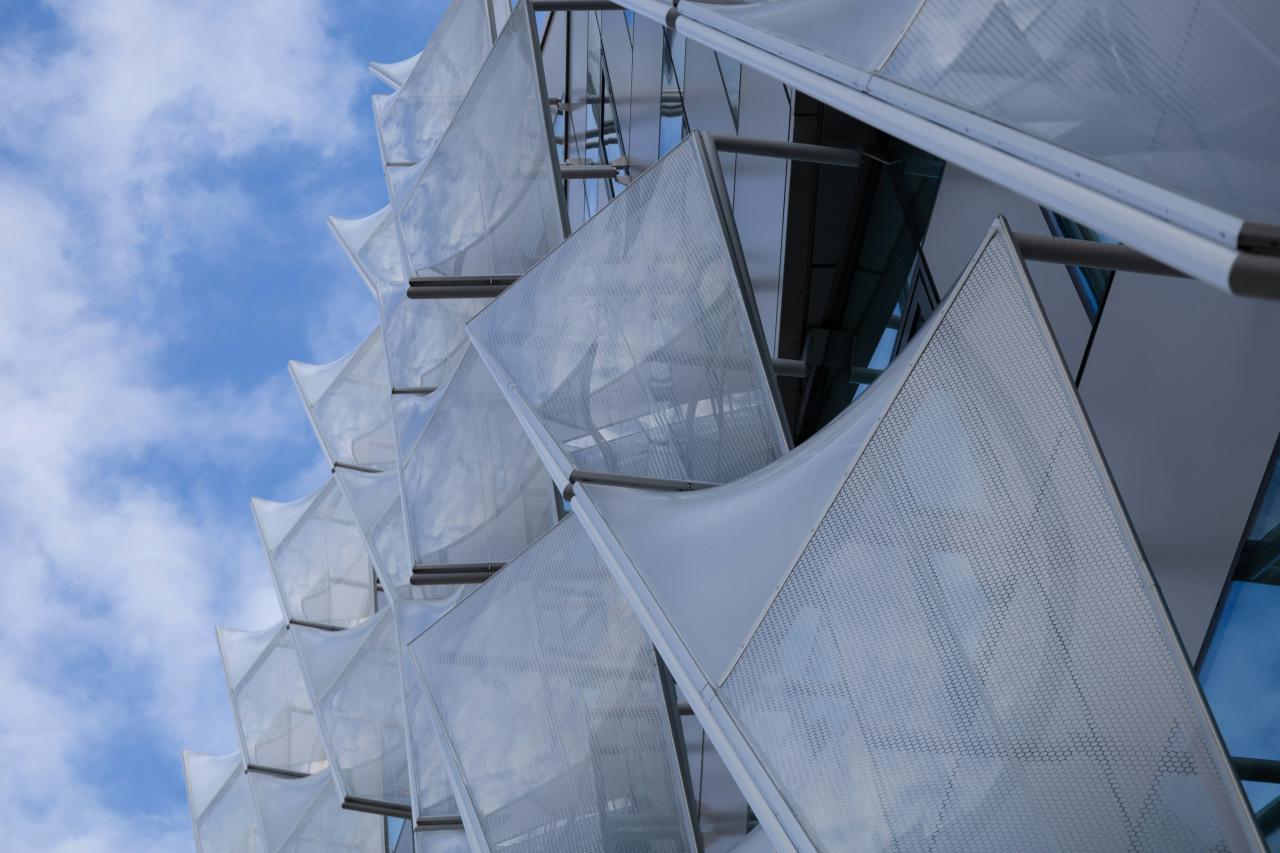
Concrete is the most widely used man-made material on Earth, but its tendency to crack under stress has always been its greatest weakness. Traditional repair methods are expensive, time-consuming, and often fail to address the underlying structural issues. Self-healing concrete represents a paradigm shift by incorporating biological or chemical agents that automatically fill cracks as they form. This technology ensures that moisture cannot reach the internal steel reinforcements, preventing the catastrophic rust that leads to bridge collapses.
A. Bacterial-Based Healing Agents
One of the most fascinating approaches involves mixing specialized bacteria, such as Bacillus, into the concrete during the initial pouring process. These microbes remain dormant until a crack appears and water enters the structure. Once activated, the bacteria consume nutrients provided in the mix and excrete calcium carbonate, effectively “growing” new limestone to seal the gap.
B. Vascular Encapsulation Systems
Inspired by the human circulatory system, this method uses a network of tiny tubes filled with liquid healing polymers embedded within the concrete. When a crack occurs, it ruptures these tubes, releasing the resin which then hardens to restore structural integrity. This allows for multiple healing cycles in the same location, making it ideal for high-stress areas like earthquake-prone zones.
C. Shape Memory Polymers (SMP)
These synthetic materials are designed to return to their original shape when exposed to external stimuli like heat or electricity. In construction, SMPs can be used to close large gaps in infrastructure by “shrinking” back into place once the initial stressor is removed. This active response system provides a layer of resilience that static materials simply cannot match.
Carbon-Negative Steel and Green Metallurgy
The steel industry is historically one of the largest contributors to global carbon emissions due to its reliance on coal-fired blast furnaces. Revolutionary “Green Steel” is now being produced using hydrogen-based reduction processes that release only water vapor instead of CO2. Furthermore, some researchers are developing carbon-negative steel that actually incorporates captured atmospheric carbon into its molecular structure. This turns every beam and girder into a permanent storage unit for greenhouse gases.
A. Hydrogen Flash Smelting
By replacing coking coal with green hydrogen, manufacturers can strip oxygen from iron ore at incredible speeds. This process creates high-purity iron without the massive carbon footprint associated with traditional smelting. It is a vital technology for meeting the strict environmental standards of the modern construction industry.
B. Electrolysis of Iron Ore
This method uses electricity to separate iron from its ore in a liquid solution, much like the process used to create aluminum. If the electricity is sourced from wind or solar, the resulting steel is virtually carbon-neutral. It allows for decentralized, smaller-scale steel production that can be located closer to construction sites.
C. Carbon-Infused Alloys
New research is looking into using carbon nanotubes derived from captured emissions to strengthen steel alloys. This not only cleans the air but creates a material that is significantly stronger and lighter than anything we have used before. Lighter steel means less energy is needed for transportation and assembly, further reducing the total project footprint.
Transparent Aluminum and Advanced Glazing
While it sounds like science fiction, transparent aluminum—technically known as Aluminum Oxynitride (ALON)—is a reality that is changing the face of modern architecture. This ceramic material is optically clear like glass but possesses the strength and durability of heavy-duty metal. It allows architects to design buildings with massive transparent surfaces that can withstand high-velocity impacts and extreme pressure. This is particularly useful for skyscrapers in hurricane zones or deep-sea underwater research facilities.
A. Durability and Impact Resistance
ALON is nearly three times harder than standard glass and can stop a high-caliber bullet even at half the thickness. This makes it an ideal material for high-security government buildings and banks that require both transparency and protection. It eliminates the need for bulky, unsightly metal shutters or reinforced bars.
B. Thermal Efficiency and Insulation
Advanced glazing systems now incorporate “Smart Glass” that can change its opacity based on the intensity of the sun. This reduces the solar heat gain of a building, drastically lowering the energy required for air conditioning. Some versions can even generate electricity through transparent solar cells integrated directly into the window pane.
C. Weight Reduction in High-Rise Design
Because ALON is so strong, it can be used in much thinner sheets than traditional safety glass. This reduces the overall dead weight of a skyscraper, allowing for thinner support columns and more usable interior space. It gives architects a level of creative freedom that was previously hindered by the fragility of glass.
Smart Wood and Engineered Timber
The return to wood as a primary building material is not a step backward, but a move toward high-tech “Mass Timber.” Cross-laminated timber (CLT) is an engineered wood product that rivals the strength of steel while being much more fire-resistant than traditional lumber. Furthermore, “Transparent Wood” is being developed by removing lignin and replacing it with polymers, creating a sustainable alternative to plastic and glass. These bio-based materials are essential for reducing the embodied carbon of new urban developments.
A. Cross-Laminated Timber (CLT) Strength
CLT involves gluing layers of solid-sawn lumber together in alternating directions. This creates a panel that is incredibly stable and can be used for the primary load-bearing walls of tall buildings. It is much faster to assemble on-site than concrete, reducing construction timelines by months.
B. Transparent Wood for Diffused Lighting
By stripping the color from wood and filling the pores with resin, scientists have created a material that lets light pass through while maintaining the cellular structure of timber. This provides a soft, diffused light that is perfect for interior walls and roof panels. It also offers better thermal insulation than glass, keeping buildings warmer in the winter.
C. Hygroscopic Wood Actuators
Smart wood can be engineered to react to humidity levels in the air. This allows for “breathing” building facades that open their vents when it’s humid and close them when it’s dry, all without using any electricity. It is a passive, biological solution to climate control that reduces mechanical complexity.
Aerogels: The World’s Lightest Insulators
Aerogels are low-density solids derived from a gel in which the liquid component has been replaced with gas. Often called “frozen smoke,” these materials are 99% air and are the most efficient thermal insulators ever discovered. Incorporating aerogel blankets into building walls allows for incredible temperature retention with a very thin profile. This is a game-changer for retrofitting old buildings where space for thick traditional insulation is limited.
A. Silica Aerogel for Fireproofing
Silica-based aerogels are almost entirely resistant to heat and fire. They can be used as a thin coating on structural steel to prevent it from warping during a fire. This increases the safety of large public structures and provides more time for evacuation during emergencies.
B. Translucent Insulation for Natural Light
Unlike fiberglass or foam, some aerogels are translucent, allowing them to be sandwiched between glass panels. This creates a wall that lets in natural light while providing the insulation value of a thick brick wall. It is the perfect solution for creating “winter gardens” and sunrooms that stay warm year-round.
C. Sound Dampening and Acoustic Control
The porous structure of aerogel is excellent at absorbing sound waves. This makes it a premium material for recording studios, luxury apartments, and offices located in noisy urban centers. It provides a peaceful interior environment regardless of the chaos outside.
Nanomaterials and Graphene Integration
Graphene, a single layer of carbon atoms, is the strongest material ever measured. While it is still expensive to produce at a large scale, even tiny amounts added to concrete or paint can drastically improve performance. Graphene-infused materials are more conductive, more water-resistant, and significantly stronger. We are currently seeing the first commercial applications of graphene in “Smart Paint” that can detect structural cracks or leaks using electrical sensors.
A. Graphene-Enhanced Concrete Strength
Adding just a small percentage of graphene to a concrete mix can increase its compressive strength by over 30%. This allows engineers to use less concrete overall to achieve the same structural goals. Using less material is the most direct way to lower the cost and environmental impact of a project.
B. Conductive Coatings for Ice Melting
Smart pavements infused with conductive carbon can be heated with a small electrical current. This prevents ice from forming on roads and bridges during the winter, eliminating the need for corrosive road salt. It saves millions in infrastructure repair costs and reduces traffic accidents in cold climates.
C. Real-Time Structural Health Monitoring
By turning the entire building into a sensor, graphene allows for constant monitoring of stress and vibration. If a support beam starts to fail, the building can “alert” maintenance crews before the problem becomes visible to the human eye. This proactive approach to safety is the hallmark of the smart city.
Recycled Plastic and Urban Mining
Sustainable infrastructure is increasingly looking at our waste as a valuable resource. Recycled plastic is being turned into “bricks” that are lighter and more durable than traditional clay. Urban mining involves extracting metals and minerals from demolished buildings to create new materials on-site. This circular economy approach reduces the need for destructive mining and keeps millions of tons of waste out of landfills.
A. Plastic Road Technology
Discarded plastic bottles are being processed and mixed into asphalt to create roads that are more resistant to potholes. These roads are more flexible and can handle the expansion and contraction caused by extreme temperature changes. They also provide a useful second life for plastics that cannot be recycled into new packaging.
B. Mycelium-Based Bricks
Fungi can be grown into specific shapes using agricultural waste as a food source. Once dried, these mycelium bricks are strong, fire-resistant, and entirely biodegradable. They are being used for temporary pavilions and “green” interior walls that can be composted at the end of their life.
C. 3D-Printed Waste Structures
Giant 3D printers are now using “ink” made from recycled construction debris and local soil. This allows for the rapid construction of low-cost housing using the materials already present on the site. It is a highly efficient way to build in remote areas or disaster zones where transportation is difficult.
Energy-Generating Building Envelopes
The walls of our buildings are no longer just barriers; they are becoming active power plants. Photovoltaic (PV) cladding and kinetic floors are turning every square inch of the building into a generator. As the efficiency of these systems increases, we are seeing the rise of “Net-Zero” buildings that produce more energy than they consume. This decentralizes the power grid and makes cities more resilient to energy shortages.
A. Building-Integrated Photovoltaics (BIPV)
Traditional solar panels are bulky and often unattractive. BIPV replaces standard roofing and siding with solar cells that look identical to normal materials. This allows for beautiful, high-design buildings that silently churn out clean electricity throughout the day.
B. Kinetic Floor Tiles
In high-traffic areas like subway stations or stadiums, kinetic tiles can harvest the energy from footsteps. Every step compresses a small generator beneath the tile, producing a pulse of electricity. This power can be used to light the building or charge local battery storage systems.
C. Wind-Harvesting Facades
Small, silent wind turbines can be integrated into the corners of tall buildings to capture the high-velocity winds found at high altitudes. These turbines are designed to work in turbulent urban environments where traditional wind farms would fail. They provide a constant source of power even when the sun isn’t shining.
The Role of Digital Twins and BIM
Advanced materials are only effective if they are managed correctly throughout their lifecycle. Digital Twin technology creates a perfect virtual replica of a physical building, tracking the performance of every smart material in real-time. Building Information Modeling (BIM) allows architects to simulate how these materials will age and react to different environmental scenarios before ground is ever broken. This digital-first approach ensures that we are using the right material for the right job every time.
A. Predictive Maintenance through Sensors
Digital twins receive data from thousands of sensors embedded in the smart materials. This allows property managers to predict exactly when a self-healing seal needs a “boost” or when an aerogel panel needs replacing. It moves maintenance from a “reactive” to a “preventative” model.
B. Simulation of Energy Performance
BIM software can calculate exactly how much energy a smart glass window will save over a 50-year period. This data is vital for securing the financing and government subsidies needed for large-scale sustainable projects. It removes the guesswork from green building design.
C. Deconstruction Planning for the Circular Economy
A digital twin keeps a record of every material used in a building and its current value. When the building reaches the end of its life, the digital record acts as a “menu” for urban miners. They know exactly which beams can be reused and which plastics can be recycled, ensuring nothing goes to waste.
Conclusion
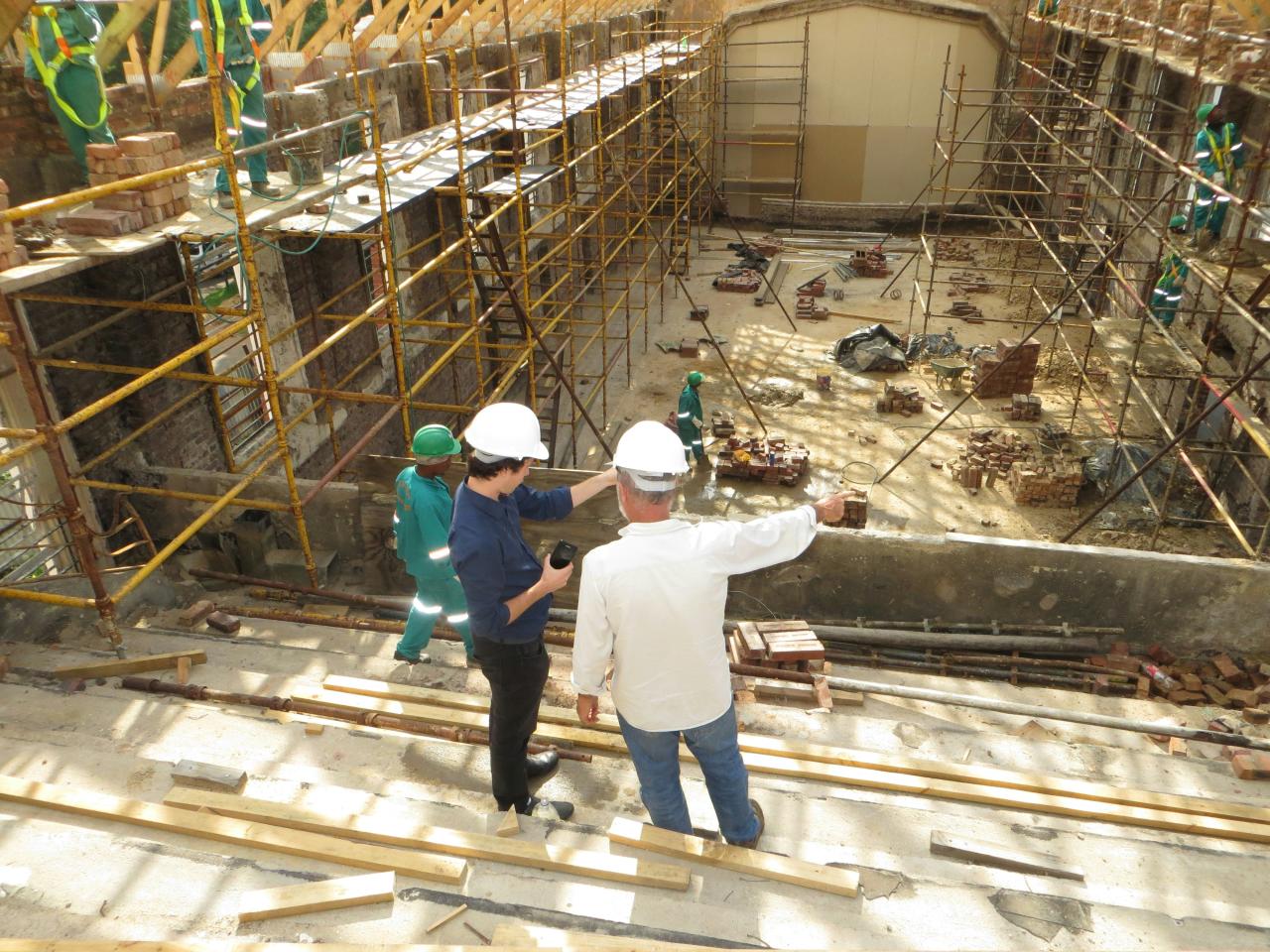
The future of our cities depends on our ability to build with intelligence and foresight. Smart materials offer a path to infrastructure that is more durable and less expensive over time. We are finally moving away from the environmentally destructive practices of the past. Self-healing technologies will save billions in maintenance costs for bridges and tunnels. Green steel and carbon-negative materials are turning buildings into environmental assets.
Transparent metals and aerogels are redefining the limits of architectural design. The integration of biology and construction is creating a new category of living buildings. Renewable energy generation is now a standard feature of the modern building envelope. Digital twins ensure that we manage these complex systems with total precision. Investors and developers must adapt to these technologies to stay relevant in the market. Infrastructure is no longer a static expense but a dynamic, evolving system. The materials we choose today will define the resilience of our world tomorrow. Innovation in construction is the key to a sustainable and thriving global civilization.