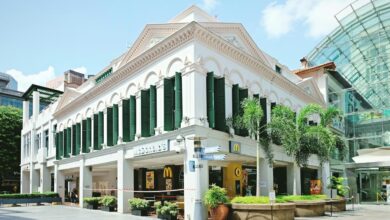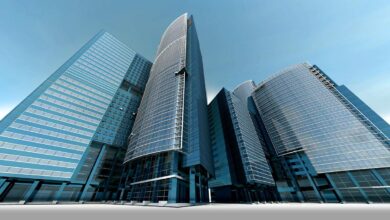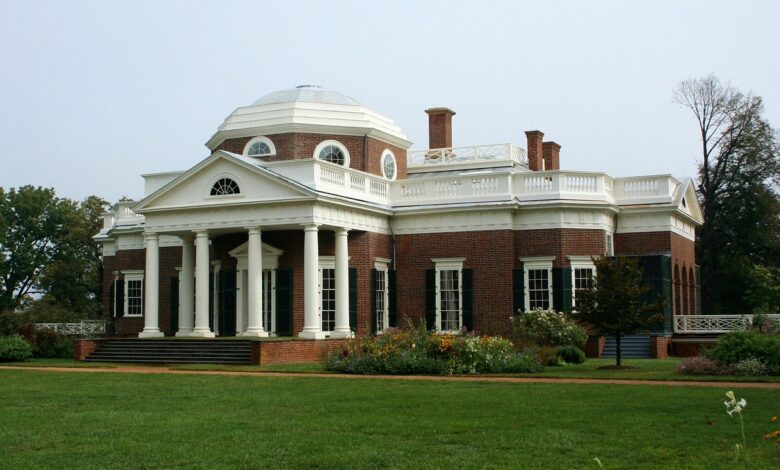
The architectural landscape of our modern cities is often a battlefield between the desire for progress and the necessity of preservation. As urban populations swell, the pressure to demolish aging structures to make way for glass-and-steel skyscrapers becomes increasingly intense. However, a growing movement of visionary architects and urban planners is championing a more sustainable and culturally rich alternative known as adaptive reuse. This practice involves taking old, often neglected buildings—such as Victorian factories, ancient granaries, or mid-century post offices—and breathing new life into them for contemporary purposes.
By doing so, we do more than just save bricks and mortar; we protect the physical manifestations of our collective history and cultural identity. Adaptive reuse serves as a powerful tool for environmental conservation by significantly reducing the carbon footprint associated with new construction. It also creates unique, character-filled spaces that foster a sense of place and belonging that sterile new builds simply cannot replicate. In this deep dive, we will explore the technical, social, and economic layers of transforming heritage sites into functional modern landmarks. We will examine how the dialogue between old and new creates a richer urban fabric for future generations to enjoy.
The Philosophy of Adaptive Reuse Architecture
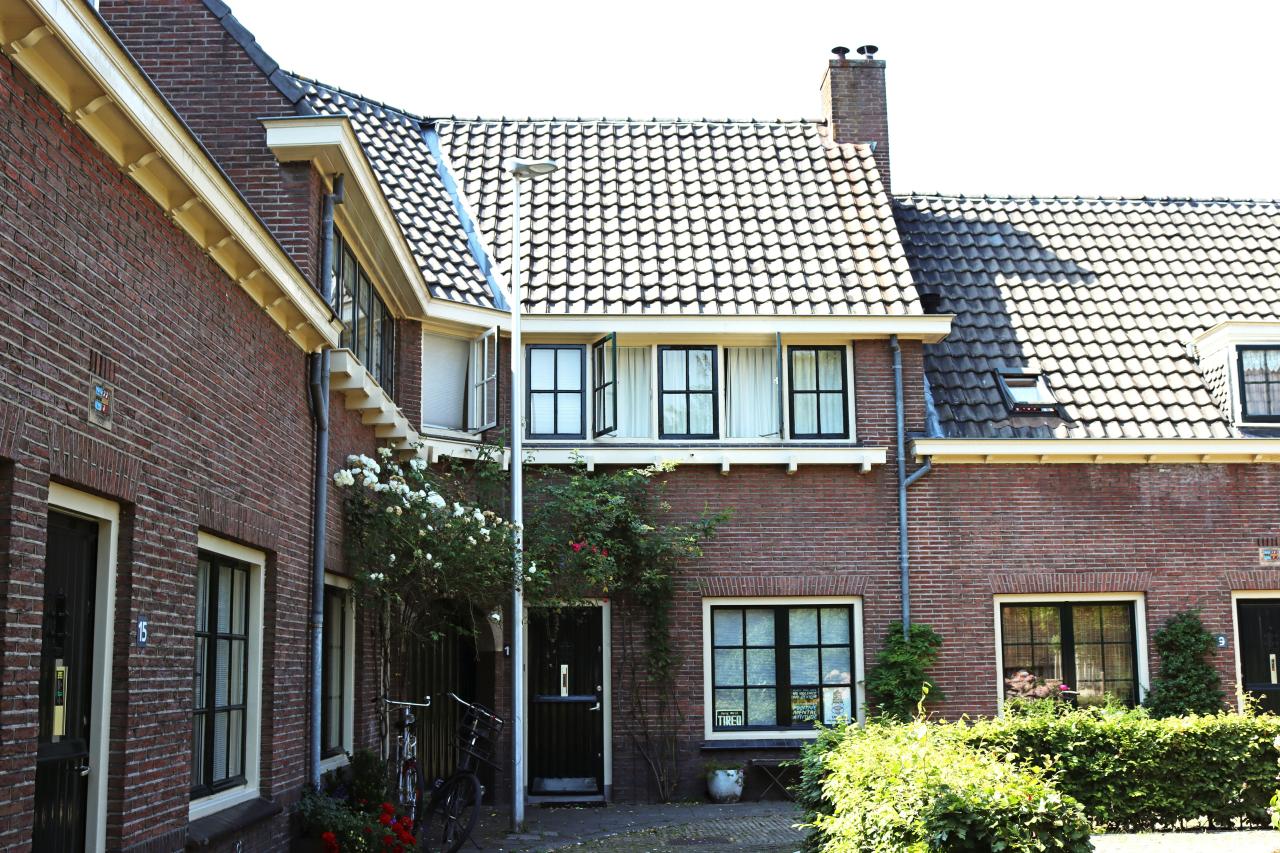
At its core, adaptive reuse is about finding the hidden potential in existing structures that others might see as obsolete. It is a philosophy that respects the craftsmanship of the past while embracing the needs of the present.
A. Cultural Continuity and Identity
Historic buildings act as landmarks that tell the story of a city’s evolution over centuries. Preserving these sites ensures that the community maintains a tangible link to its ancestors and its local heritage.
B. The Aesthetic of Contrast
There is a profound beauty in the juxtaposition of rough, original masonry with sleek, modern glass or steel. This contrast creates a visual dialogue that highlights the passage of time and the evolution of design.
C. Psychological Benefits of Historic Spaces
People are naturally drawn to buildings with high ceilings, large windows, and storied pasts. These environments often promote a sense of well-being and inspiration that modern “cookie-cutter” offices often lack.
Environmental Sustainability Through Retrofitting
The greenest building is the one that is already standing, as it carries a vast amount of “embodied carbon.” Renovating an old structure is almost always more environmentally friendly than starting from scratch.
A. Reduction of Embodied Carbon
The energy required to mine, manufacture, and transport new materials like concrete and steel is immense. By reusing an existing shell, we avoid the massive carbon spike associated with demolition and new foundation work.
B. Waste Management and Landfill Diversion
Construction and demolition waste account for a huge percentage of global landfill content. Adaptive reuse keeps these materials in the economy and out of the ground, supporting a circular construction model.
C. Energy Efficiency Upgrades
Modernizing an old building allows architects to install high-efficiency insulation, smart HVAC systems, and solar panels. This transforms energy-hungry relics into high-performance assets that meet modern environmental standards.
Technical Challenges in Heritage Preservation
Transforming a century-old factory into a luxury hotel or a tech hub is not without its technical hurdles. Engineers must balance modern building codes with the delicate nature of historic materials.
A. Structural Reinforcement and Seismics
Older buildings often do not meet current earthquake or load-bearing safety standards. Architects must discretely hide steel frames or carbon fiber reinforcements within the existing walls to provide modern safety levels.
B. Moisture Control and Breathability
Historic masonry, such as lime mortar and solid brick, needs to “breathe” to stay healthy. Using modern waterproof sealants can trap moisture and cause the stone to rot, requiring specialized knowledge of traditional materials.
C. Acoustic and Thermal Insulation
Old industrial buildings often have poor soundproofing and high heat loss. Solving these issues requires creative solutions like internal secondary glazing or acoustic floor layers that don’t disturb the original aesthetic.
The Economic Drivers of Heritage Revitalization
While adaptive reuse can be complex, it often makes perfect financial sense for developers and local governments alike. It can act as a catalyst for wider neighborhood regeneration.
A. Increased Property and Asset Value
Historic character is a premium commodity in the real estate market. Apartment buildings or offices with original architectural features often command higher rents and resale values than modern equivalents.
B. Tax Incentives and Government Grants
Many cities offer significant financial breaks to developers who agree to preserve heritage facades. These incentives help offset the costs of specialized labor and materials required for restoration.
C. Tourism and Local Economic Growth
Revitalized historic districts often become major tourist magnets. This influx of visitors supports local businesses, cafes, and shops, creating a vibrant economy built around the heritage site.
Case Studies: From Industrial to Cultural Hubs
Looking at successful projects around the world shows the incredible versatility of old structures. These examples serve as blueprints for what is possible when creativity meets history.
A. Power Plants Turned Art Galleries
Massive industrial turbines and soaring halls provide the perfect scale for large-scale contemporary art. The transformation of old power stations into galleries has become a global hallmark of adaptive reuse.
B. Warehouses Reimagined as Creative Offices
The open floor plans and high ceilings of former shipping warehouses are ideal for the modern collaborative workplace. Tech companies often seek out these “industrial-chic” spaces to attract top talent.
C. Churches and Monasteries as Libraries
The sacred silence and grand arches of old religious buildings lend themselves perfectly to academic use. Many former churches have found new life as community libraries or university study halls.
Navigating Building Codes and Regulations
Compliance is one of the most difficult aspects of adaptive reuse. Lenders and insurance companies often view these projects as higher risk than new construction.
A. Fire Safety and Egress Requirements
Original staircases and narrow corridors often fail modern fire safety audits. Architects must find ways to integrate fire-rated partitions and emergency exits without destroying the building’s flow.
B. Accessibility and ADA Compliance
Making a multi-level historic site accessible for everyone is a major priority. This often requires the creative insertion of elevators or ramps into spaces that were never designed for them.
C. Conservation Management Plans
A detailed plan is usually required to outline which parts of the building are “sacred” and which can be modified. This document acts as a legal guide for the renovation process to ensure heritage integrity.
The Social Impact of Preserving the Past
Adaptive reuse is not just for the elite; it can be used to provide essential social infrastructure in underserved neighborhoods.
A. Affordable Housing in Repurposed Schools
Old school buildings often have large classrooms that can be easily converted into spacious apartments. This provides a way to create high-quality, affordable housing in established neighborhoods.
B. Community Centers in Disused Civic Buildings
Turning an old post office or courthouse into a community hub keeps the building in public use. This strengthens the social bond of the neighborhood and prevents the “dead space” caused by empty buildings.
C. Educational Opportunities and Living History
Walking through a repurposed historic site allows children and adults to learn about their city’s past in an active way. The building itself becomes a teaching tool for history, engineering, and art.
Materials and Craftsmanship in Restoration
Successful adaptive reuse requires a return to traditional building techniques that were almost lost to history. It supports a niche market of highly skilled artisans.
A. Traditional Masonry and Stone Carving
Finding craftsmen who can work with lime mortar or carve replacement stonework is essential. This keeps ancient trades alive and ensures that the repairs are compatible with the original structure.
B. Metalwork and Original Joinery
Restoring cast-iron windows or heavy timber beams requires a delicate touch. These features are often the most defining characteristics of the building and should be saved whenever possible.
C. Sourcing Matching Historic Materials
Sometimes, architects must source salvaged materials from other demolished buildings of the same era. This “cannibalization” ensures that the new repairs blend seamlessly with the original fabric.
The Role of Technology in Heritage Mapping
Modern technology has revolutionized how we document and plan for the reuse of old buildings. We can now “see” through walls before a single brick is moved.
A. 3D Laser Scanning and BIM
Building Information Modeling (BIM) allows architects to create a perfect digital twin of a historic structure. This makes it much easier to plan the insertion of new utilities and structural supports.
B. Drones and Aerial Inspections
Drones can safely inspect high-reach areas like spires, roofs, and chimneys that would be dangerous for humans. This provides a comprehensive view of the building’s condition from the very start.
C. Non-Destructive Testing (NDT)
Using radar and ultrasound, engineers can check the strength of internal supports without damaging them. This data is vital for determining how much weight an old floor can truly hold.
Future Trends in Adaptive Reuse
As we look ahead, the definition of “heritage” is expanding to include mid-century and even late-century buildings. We are also seeing a shift toward “modular” reuse.
A. Revitalizing Brutalist and Modernist Landmarks
Concrete structures from the 1960s and 70s are now becoming eligible for heritage status. While controversial, their reuse is an important part of preserving the full architectural timeline.
B. Modular and Temporary Reuse
Not every project needs to be a permanent conversion. Pop-up markets or temporary art spaces in abandoned buildings can provide immediate value while a long-term plan is being developed.
C. The Integration of Vertical Farming
Some old industrial sites are being converted into vertical farms to provide fresh produce for the city. This combines heritage preservation with modern food security needs.
Conclusion
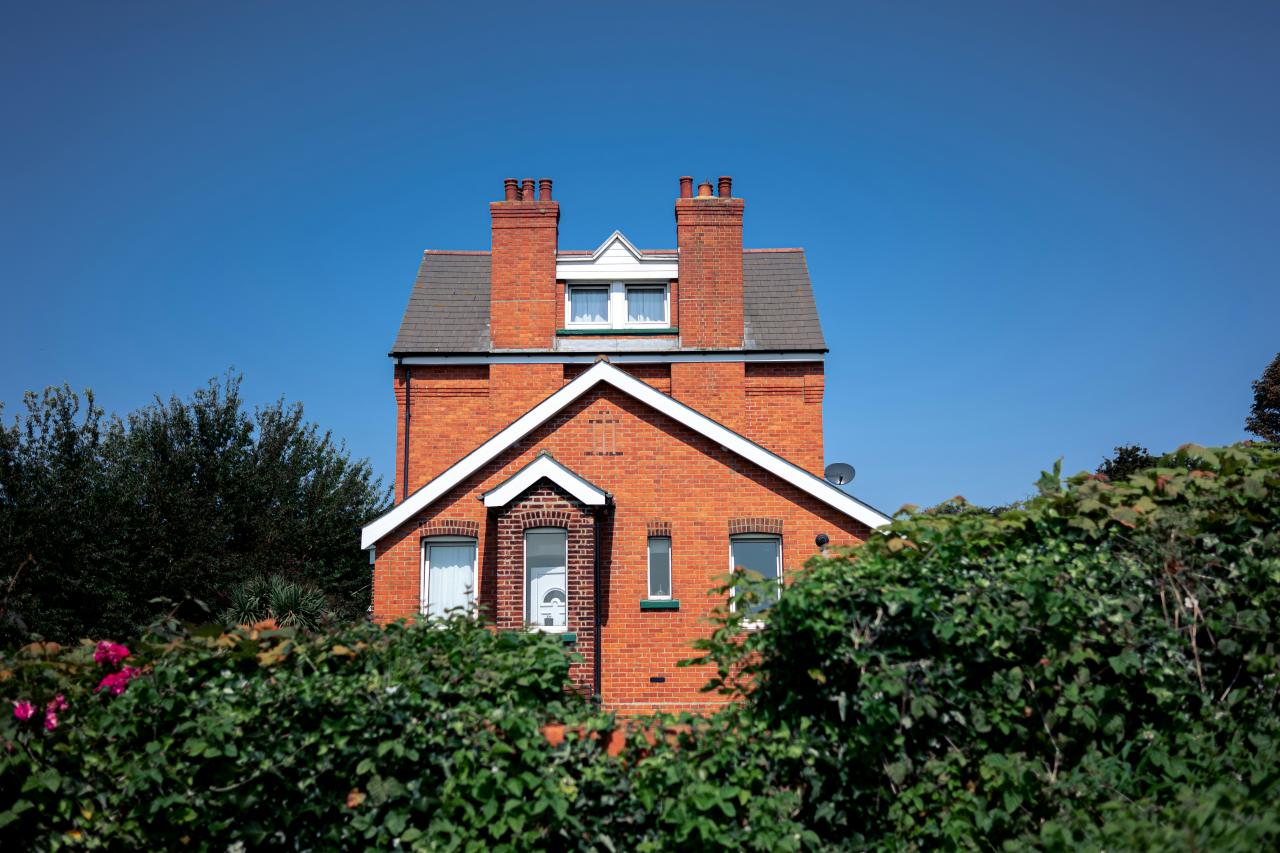
Preserving global heritage through adaptive reuse is the most responsible way to manage our growing urban environments. This practice ensures that we do not lose the unique cultural identity that makes each city special. Every reused building represents a significant victory in the fight against climate change and waste. The integration of modern technology allows us to honor the past while meeting contemporary safety standards.
Economic growth is often accelerated when we invest in the revitalization of historic and character-rich districts. Adaptive reuse provides a creative challenge for architects to blend different eras into a single structure. The social benefits of keeping community landmarks alive are immeasurable for local residents and future generations. Choosing to retrofit rather than demolish is a sign of a mature and culturally aware society.
Specialized craftsmanship is revitalized when we demand high-quality restoration of traditional building materials. Adaptive reuse projects often become the most beloved and photographed landmarks in any major city. The balance between preservation and innovation is the key to creating a truly sustainable urban future. We must continue to advocate for policies that make the reuse of buildings more attractive than demolition. History is not a burden to be cleared away but a foundation upon which we can build better lives. Ultimately, we are only temporary stewards of these buildings and have a duty to pass them on.