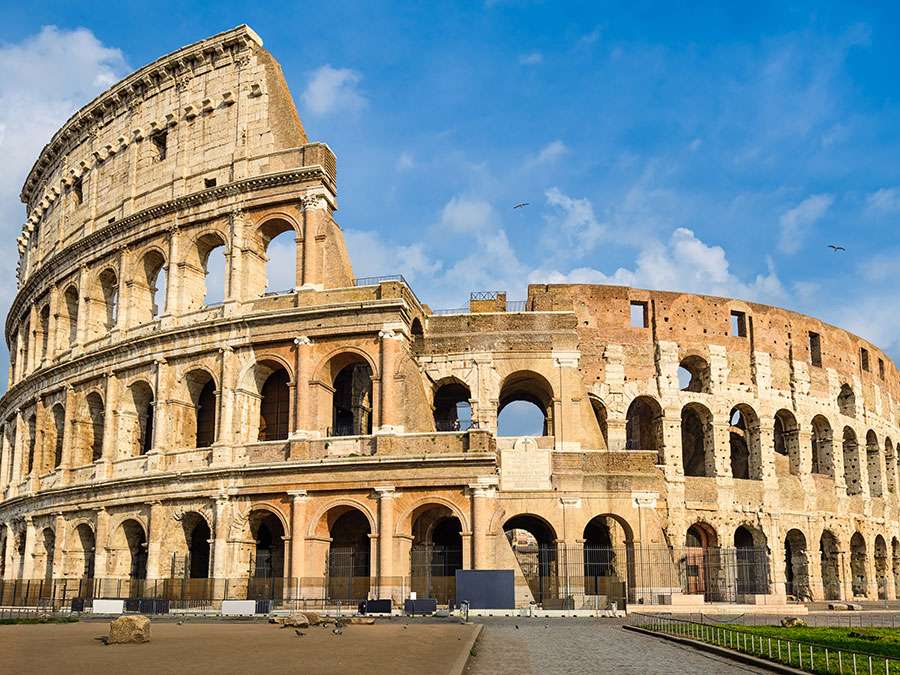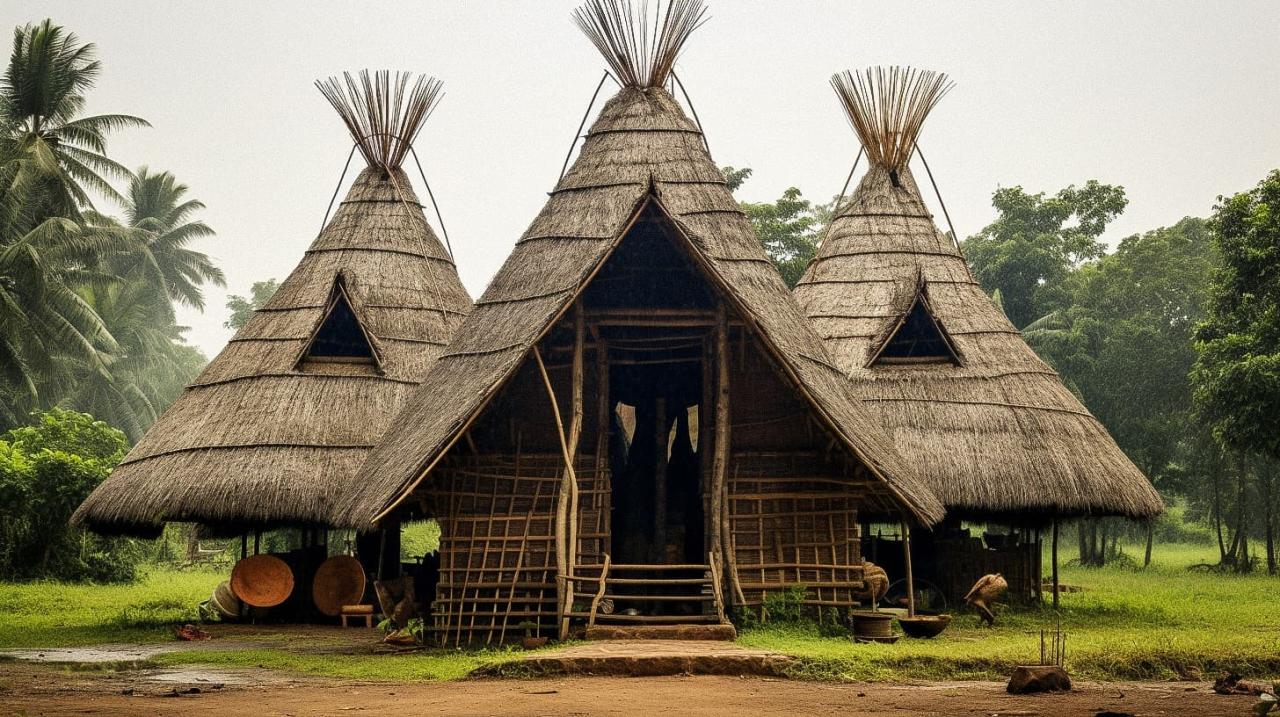
The preservation of ancient heritage sites represents a profound commitment to maintaining the tangible threads that connect modern civilization to its ancestral roots. These architectural marvels are far more than just weathered stone and decaying timber; they are the physical manifestations of human ingenuity, cultural identity, and historical narrative. Across the globe, from the sun-drenched ruins of the Mediterranean to the vine-choked temples of Southeast Asia, these sites face an array of modern threats ranging from climate change to urban encroachment.
Protecting this grandeur requires a delicate synthesis of traditional craftsmanship and cutting-edge conservation science. It is a labor-intensive process that demands not only financial investment but also a deep philosophical understanding of what it means to “restore” without erasing the passage of time. As global tourism increases, the challenge of allowing public access while preventing physical degradation has become a primary concern for conservators and governments alike.
By safeguarding these structures, we ensure that future generations can walk through the same halls as their ancestors and marvel at the craftsmanship of a bygone era. This comprehensive exploration will delve into the technical, social, and ethical dimensions of heritage preservation in the modern age. We will examine the innovative methods used to stabilize ancient foundations and the community-driven initiatives that give these ruins a new purpose in the twenty-first century.
The Philosophical Foundations Of Restoration
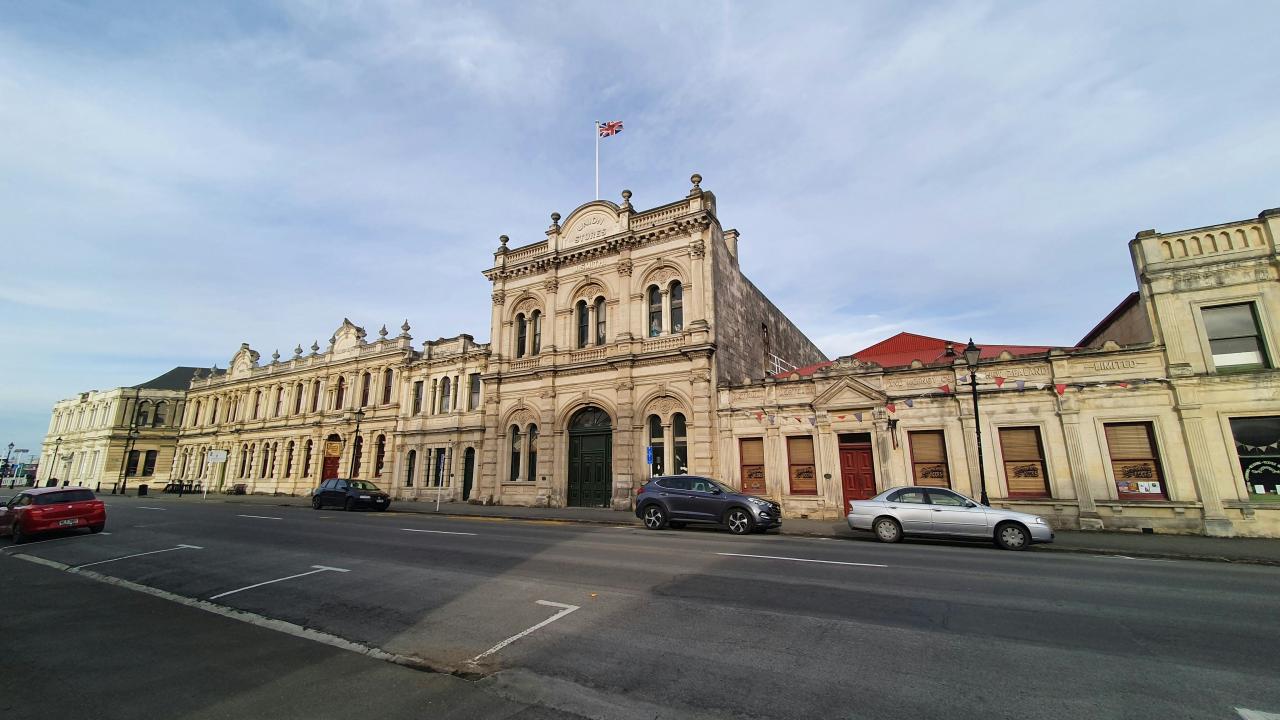
Before a single stone is moved, experts must decide on the approach to restoration. This decision often sparks intense debate among historians and architects regarding authenticity.
A. Conservation Versus Total Reconstruction
Conservation focuses on stabilizing what remains to prevent further decay without adding new elements. Reconstruction, however, involves rebuilding lost sections to show how the structure looked in its prime.
B. The Principle Of Reversibility
Modern interventions should ideally be reversible so that future conservators can remove them without damaging the original material. This ensures that better technologies in the future can be applied without penalty.
C. Respecting The “Patina” Of Time
A site that looks brand new often loses its historical soul. Maintaining the natural wear and aging of the materials is essential for preserving the “spirit of the place.”
Technical Challenges In Structural Stabilization
Ancient buildings were often constructed without the benefit of modern engineering data. Over centuries, environmental shifts can cause even the sturdiest foundations to fail.
A. Addressing Subsidence And Foundation Shifts
Changes in groundwater levels or soil composition can cause ancient walls to crack or lean. Engineers use techniques like micro-piling to reinforce the ground beneath historical structures.
B. Mitigating The Effects Of Salt Crystallization
In coastal or arid regions, salt can migrate into porous stones and expand, causing the surface to flake away. Chemical poultices are often used to “draw out” these harmful minerals.
C. Structural Grouting And Void Filling
Centuries of weathering can create hollow spaces inside thick masonry walls. Injecting specialized lime-based grouts can restore the structural integrity without using harsh modern cements.
The Role Of Advanced Documentation Technology
We cannot preserve what we do not fully understand. High-tech mapping tools have revolutionized how we document and analyze heritage sites before physical work begins.
A. Terrestrial Laser Scanning and LiDAR
LiDAR technology allows researchers to create 3D digital twins of entire sites with millimeter precision. This data acts as a “digital insurance policy” if the site is ever damaged by natural disasters.
B. Photogrammetry and High-Resolution Imaging
By taking thousands of overlapping photos, computers can generate textured 3D models of intricate carvings and statues. This helps conservators monitor tiny changes in decay over several decades.
C. Ground-Penetrating Radar (GPR) Analysis
GPR allows archaeologists to see what lies beneath the surface without digging. This is vital for locating buried chambers or ancient drainage systems that might affect structural stability.
Weathering The Storm Of Climate Change
Extreme weather patterns are accelerating the rate of decay at many of the world’s most famous sites. Adaptation strategies are now a mandatory part of any preservation plan.
A. Rising Sea Levels and Coastal Erosion
Sites like Venice or the ancient ports of North Africa are at direct risk from rising tides. Innovative sea walls and barrier systems are being designed to protect these maritime treasures.
B. Increased Thermal Stress and Stone Expansion
Rising global temperatures cause building materials to expand and contract more violently. This “thermal fatigue” leads to rapid cracking in marble and limestone structures.
C. Acid Rain and Chemical Weathering
Industrial pollution turns rainwater into a mild acid that slowly dissolves delicate inscriptions. Protective coatings and “sacrificial layers” of lime wash are often used to shield the stone.
Traditional Craftsmanship Meets Modern Science
In many cases, modern materials like Portland cement are too harsh for ancient stone. The revival of traditional skills is essential for authentic restoration.
A. The Renaissance Of Lime Mortars
Ancient builders used lime, which is breathable and flexible. Modern restorers are rediscovering these recipes to ensure that new repairs don’t trap moisture and cause damage.
B. Traditional Stone Masonry Techniques
Cutting and carving stone by hand ensures that the texture matches the original work. Many preservation projects now include training programs for local artisans to keep these skills alive.
C. Sustainable Sourcing of Heritage Materials
Finding the exact quarry used a thousand years ago is often impossible. Conservators must source “compatible” stones that have the same chemical and physical properties as the original.
Managing The Impact Of Mass Tourism
Tourism provides the funding for preservation, but it also creates physical wear and tear. Managing the flow of people is a delicate balancing act.
A. Implementing Carrying Capacity Limits
Many sites now use timed entry tickets to prevent overcrowding. This reduces the physical pressure on fragile floors and maintains the quality of the visitor experience.
B. Constructing Non-Invasive Walkways
Elevated paths protect ancient mosaics and floors from the thousands of footsteps they receive daily. These walkways are designed to be easily removed without leaving a trace.
C. Digital Tourism and Virtual Reality
Offering high-quality VR experiences can reduce the need for physical visits to the most fragile areas. This allows people to “explore” a tomb or chamber while it remains sealed for protection.
Community Involvement And Social Value
A heritage site that is disconnected from its local community is more likely to be neglected. Engaging the people who live near these sites is the key to long-term survival.
A. Community-Led Conservation Projects
When local people are hired to protect and maintain a site, they develop a sense of ownership. This significantly reduces the risk of looting or vandalism.
B. Educational Programs for Local Schools
Teaching children about the history of their local ruins ensures that the next generation will value and protect them. Heritage becomes a source of local pride rather than just a tourist attraction.
C. Adaptive Reuse of Historical Spaces
Finding new, respectful uses for ancient buildings—such as cultural centers or museums—keeps them integrated into modern life. A building with a purpose is a building that gets maintained.
The Ethics Of Digital Preservation
As we create perfect digital copies of ancient sites, new ethical questions arise. Who owns the data, and how should it be used?
A. Data Sovereignty and Indigenous Rights
Many sites are sacred to living cultures. Digital data should be managed in a way that respects the religious and cultural traditions of the descendant communities.
B. The Risk of “Digital Colonialism”
International teams often hold the high-tech data of sites in developing nations. Efforts are being made to ensure that local researchers have full access to the technology and information.
C. Authenticity in the Age of 3D Printing
If we 3D print a replacement for a stolen artifact, is it still “heritage”? The industry is still defining the boundaries between an educational tool and a deceptive replacement.
Natural Disasters And Emergency Response
Earthquakes, fires, and floods can destroy a thousand years of history in a single hour. Rapid response teams are now being trained specifically for heritage emergencies.
A. Seismic Retrofitting of Ancient Masonry
In earthquake-prone zones, engineers use hidden stainless steel rods or carbon fiber wraps to strengthen old walls. These interventions are designed to be invisible to the naked eye.
B. Fire Suppression Systems in Historical Timber
Ancient wooden temples or palaces require specialized fire protection. These systems use fine water mists or gas to extinguish flames without causing the water damage of traditional sprinklers.
C. Disaster Recovery and “Blue Shield” Protection
The Blue Shield is the cultural equivalent of the Red Cross. They work to protect sites during armed conflicts and provide expert help in the aftermath of natural disasters.
Sustainable Funding Models For Heritage
Preservation is incredibly expensive. Finding a balance between government grants, private donations, and tourism revenue is essential for financial stability.
A. Public-Private Partnerships (PPP)
Many governments are partnering with private foundations to manage large sites. This brings in corporate efficiency and private capital while keeping the site under public oversight.
B. Heritage-Based Carbon Credits
Preserving old buildings is inherently sustainable because it avoids the carbon cost of new construction. New financial models are exploring how “embodied carbon” can be traded to fund restoration.
C. Endowment Funds and Long-Term Planning
A large one-time grant is less effective than a steady, smaller income. Endowment funds provide the predictable cash flow needed for routine maintenance, which prevents major structural failures.
The Impact Of Urban Encroachment
As cities grow, ancient sites are often surrounded by modern development. This creates “visual pollution” and physical stress from vibration and pollution.
A. Establishing Protected Buffer Zones
Zoning laws around heritage sites prevent tall buildings from ruining the historical skyline. This preserves the “visual integrity” of the site within its landscape.
B. Monitoring Vibrations from Modern Transport
Subways and heavy trucks can create micro-vibrations that slowly shake ancient mortar apart. Engineers install sensors to monitor these movements and adjust urban planning accordingly.
C. Integrating Ancient Sites into Modern Urban Design
Rather than fencing off a ruin, modern cities are incorporating them into parks and plazas. This turns the site into a “living room” for the city rather than a locked museum.
The Future of Heritage Science
New discoveries in chemistry and biology are providing restorers with tools that were unimaginable just a few decades ago. The future of the past is surprisingly high-tech.
A. Bioremediation Using Stone-Eating Bacteria
Certain bacteria can be used to clean pollution off delicate statues without using harsh chemicals. Other “self-healing” microbes are being developed to fill tiny cracks in concrete and stone.
B. Nanotechnology and Protective Coatings
Nanoparticles can penetrate deep into porous stone to strengthen it from the inside out. These coatings are “breathable,” meaning they allow moisture to escape while blocking rain.
C. Artificial Intelligence in Archaeological Prediction
AI can analyze satellite imagery to find hidden ruins that have been lost to time. This allows governments to protect sites before they are even fully excavated or discovered by looters.
Conclusion

Preserving the grandeur of ancient heritage is a profound duty for modern society. These sites provide a vital link to our collective human history and identity. Successful conservation requires a perfect blend of old-world skills and new-world science. Climate change remains the most pressing environmental threat to these delicate structures globally. Community engagement is the only way to ensure the long-term protection of ruins.
Digital technology offers a powerful way to document and share these treasures safely. Restoration must always prioritize the integrity and authenticity of the original materials used. Financial sustainability is essential to avoid the tragedy of “demolition by neglect” over time. Tourism must be managed with care to prevent the destruction of the very things people love. Ethics and philosophy should guide every physical intervention on a historical site today.
Urban planning should embrace ancient sites as functional parts of a modern city’s heart. Innovation in materials science continues to provide better ways to fight natural decay. Disaster preparedness is no longer optional for major world heritage sites across the globe. Every stone saved is a story preserved for a generation we will never meet. The past is a non-renewable resource that demands our constant vigilance and respect. Let us commit to protecting these monuments as beacons of human achievement and resilience.