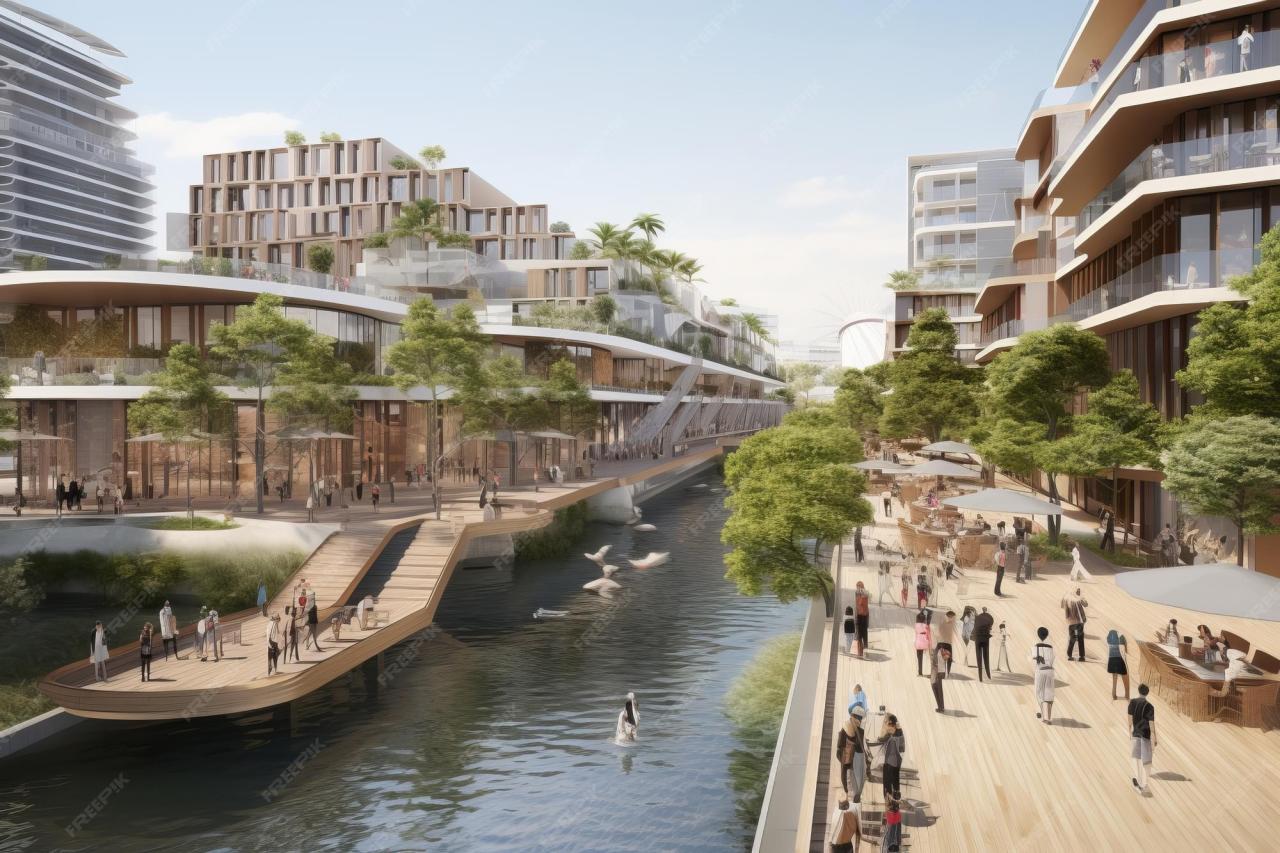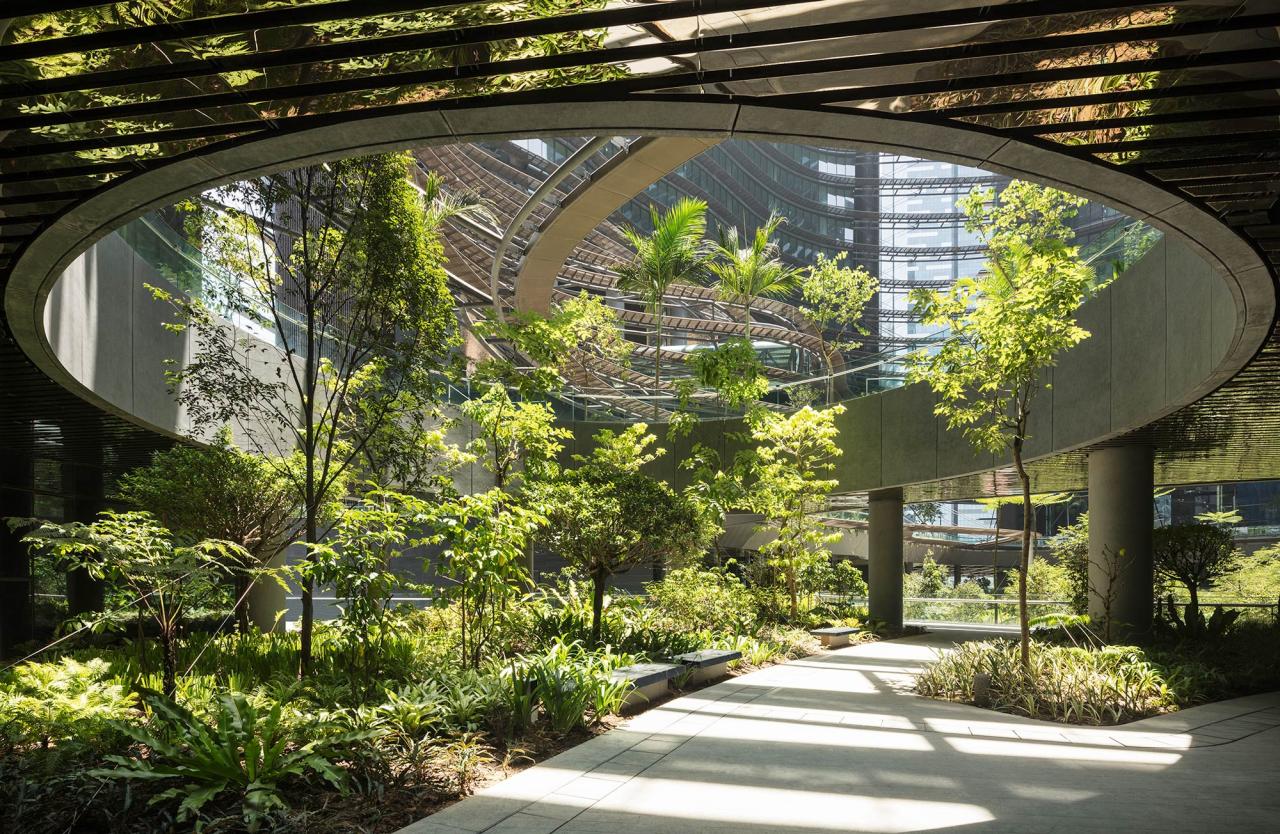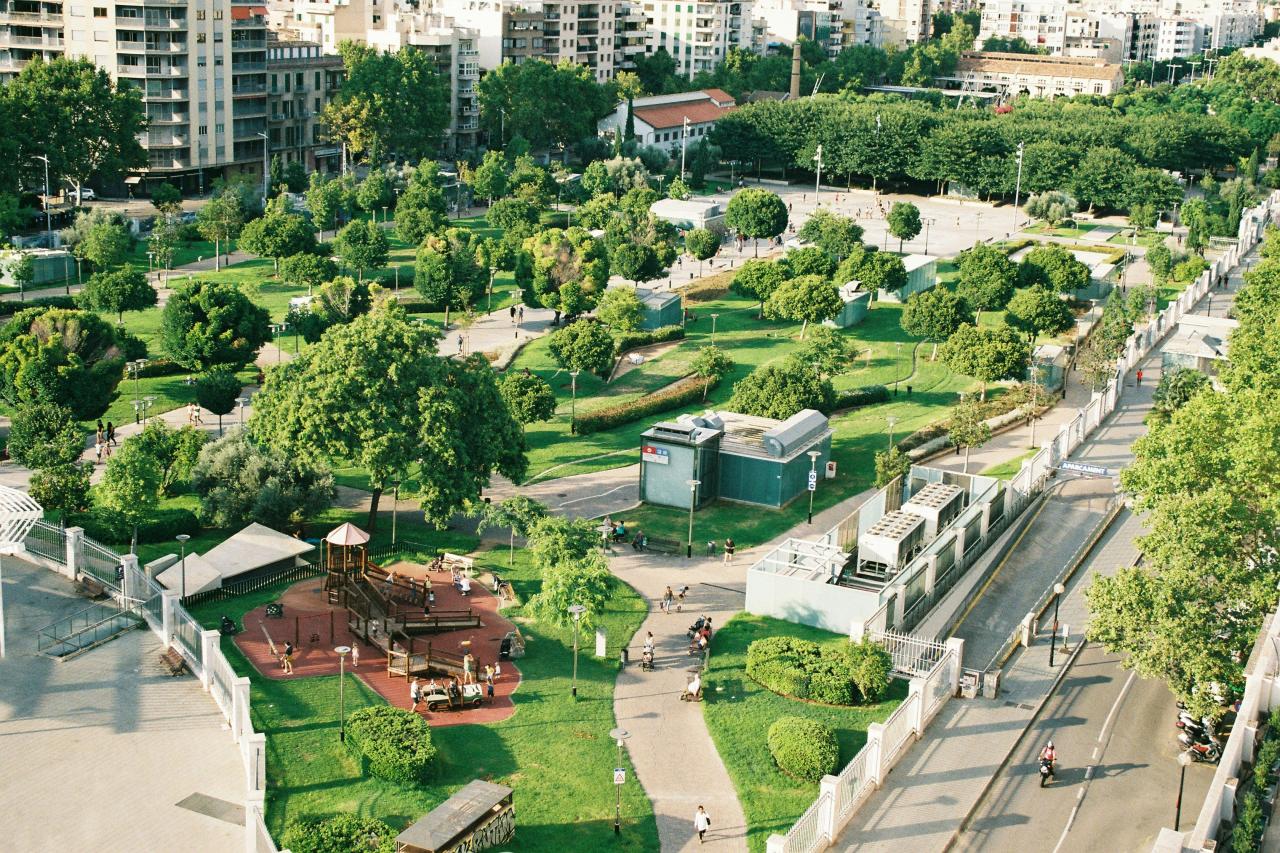
The global landscape of habitat creation is currently undergoing a massive structural transformation from static construction toward highly integrated, institutional-grade spatial orchestration. We are navigating a revolutionary era where the ability to synthesize human density with ecological preservation is no longer a luxury for wealthy enclaves but a core requirement for urban survival and institutional resilience. This evolution in the built environment requires a sophisticated understanding of regenerative materials, modular structural logic, and the psychological discipline needed to design spaces that foster both community and individual well-being. For the modern urban architect or spatial strategist, mastering the mechanics of sustainable urbanism is a fundamental pillar for scaling habitable capacity and defending against environmental decline in a high-velocity world.
Achieving elite status in this domain involves more than just drafting aesthetically pleasing blueprints; it requires a deep dive into the biochemistry of sustainable materials, the architecture of thermal efficiency, and the systematic application of adaptive reuse protocols. This guide is designed to deconstruct the complex layers of the modern spatial planning ecosystem, providing you with a masterclass in the strategies used to unlock the full potential of urban land use. By focusing on the synergy between diagnostic precision and lifestyle-driven architectural sculpting, you can transform a physical structure from a static asset into a dynamic, high-performance engine of social and environmental health. Let us explore the blueprints of spatial sovereignty and discover how to build a legacy of structural excellence that thrives in an era of rapid scientific and urban acceleration.
The Foundation of Advanced Urban Spatial Architecture
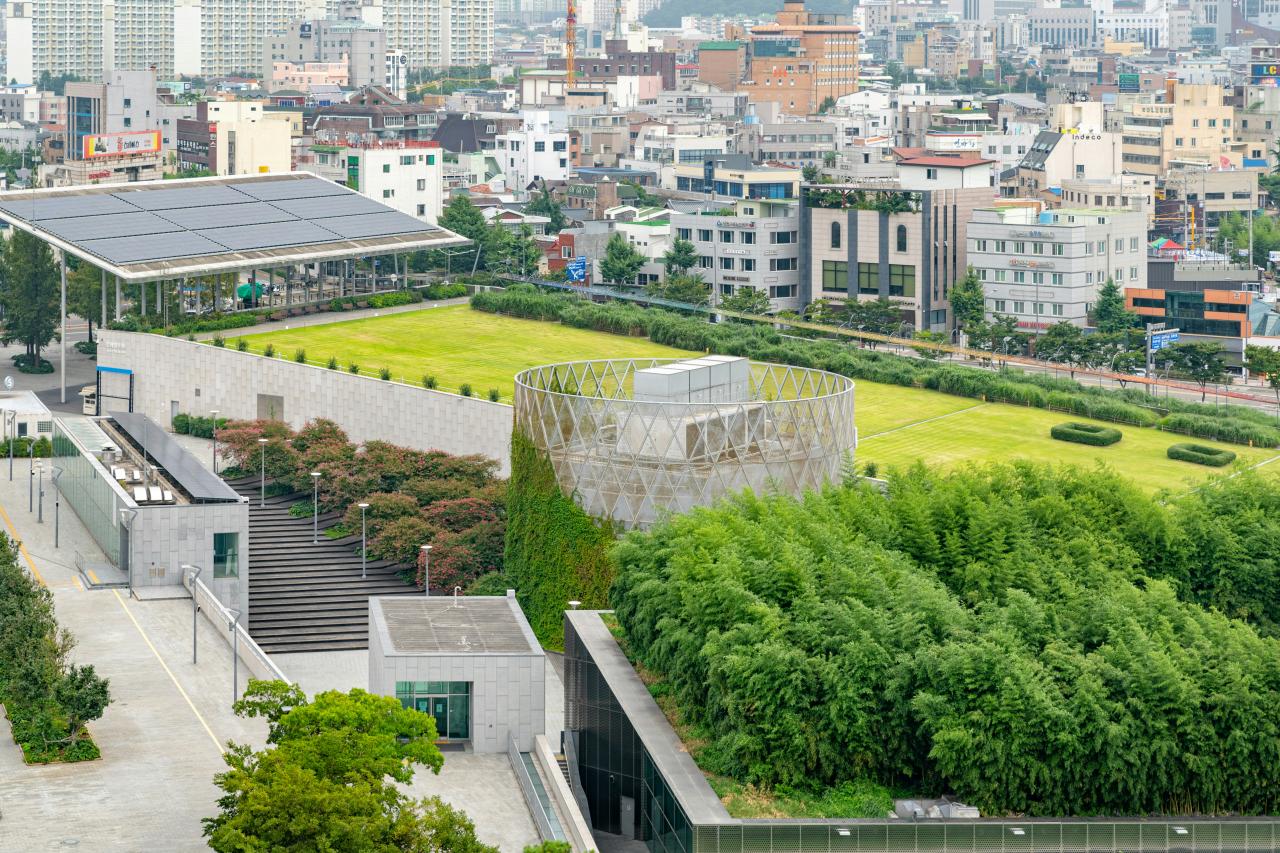
Building a resilient urban environment requires a structural approach to the city’s physical and digital connectivity. You must treat your spatial protocols with the same level of professional scrutiny as a high-stakes investment portfolio for the future of humanity.
A. Defining Metabolic Urbanism and Spatial Biomarkers
The bedrock of longevity for a city is the ability to monitor internal changes through high-precision data analysis of resource flows. By understanding the molecular mechanisms of energy waste and water consumption, you can purposefully engage in designs that “shield and strengthen” the urban core.
B. The Role of Generative Design in Urban Mitigation
Elite spatial management involves using artificial intelligence to predict potential urban vulnerabilities before they manifest as infrastructure failure. This process is influenced by local climate data and population density mapping, providing a physical foundation for personalized neighborhood intervention.
C. Volumetric Efficiency and Vertical Urban Signaling
The city’s internal communication relies on a delicate balance of public transit hubs and pedestrian-friendly pathways. Mastering the lifestyle and coverage factors that regulate these flows allows for more consistent economic activity and sharper social cohesion throughout the decades.
Advanced Frameworks for Structural Recovery and Resilience
Urban performance is often viewed as a constant economic output, but the most resilient spatial systems utilize highly structured recovery frameworks to facilitate environmental repair.
A. The Blue-Green Grid and Hydrological Recovery
During heavy rainfall, the city utilizes a specialized waste-clearance system known as blue-green infrastructure to remove metabolic pollutants that can lead to ecological degradation. Maintaining a rigorous hydrological protocol, supported by permeable surfaces, is a technical requirement for preventing urban flooding and maintaining groundwater quality.
B. Biophilic Integration and Psychophysiological Efficiency
Humans are biological entities, and their efficiency dictates the overall metabolic endurance of a city. By exposing the urban dweller to natural stressors, such as vertical forests and sunlight-optimized corridors, you trigger a “calm” response that strengthens mental density and social function.
C. Passive Solar Orientation: The Catalyst for Thermal Longevity
The orientation of a building acts as its protective cap against external energy loads, and its thermal mass is a primary indicator of operational age. Systematic approaches to reducing carbon footprints are the secret weapon for anyone looking to slow the ticking clock of building senescence.
Cultivating High-Performance Urban Environments
A single green building is powerful, but a city designed for physiological and ecological optimization is an unstoppable force. You must build an environment where the urban fabric can thrive without constant external energy interference.
A. Managing Urban Heat Islands and Thermal Regulation Pathways
The greatest enemy of urban longevity is sustained high levels of localized heat, which can physically damage the health of the residents and the efficiency of the power grid. Elite spatial strategies involve active landscape engagement to neutralize the toxic effects of the modern asphalt-heavy work culture.
B. Circular Material Economy and Structural Integrity
Your systemic urban health is directly linked to your material integrity through the lifecycle of every brick and beam. By prioritizing a construction diet rich in recycled steel and cross-laminated timber, you provide the raw materials necessary for the synthesis of protective urban cells.
C. Acoustic Filtering and Sensory Detoxification Protocols
The modern world has a limited “bandwidth” for processing auditory pollution and visual clutter. Successful spatial architects protect their systems by utilizing advanced acoustic buffers in park designs, reserving the urban energy for repair and growth rather than defense.
The Neurobiology of Spatial Habitats
In the world of urban science, the repetitive nature of our daily movement is what creates the permanent structure of our social health.
A. The Basal Ganglia and Automating Walkable Decisions
By understanding how the brain shifts behaviors from conscious effort to automated routines, you can design city layouts that require zero willpower to choose walking over driving. This transition is the key to maintaining elite physical health for a population over the long term without burning out the transport system.
B. Myelination and Social Connectivity in Urban Aging
The pathways in your city act as insulation for your community’s “wires,” speeding up signal transmission between diverse groups. Consistent social challenges and pedestrian coordination exercises trigger the production of community myelin, keeping the city’s reaction times sharp well into its later years.
C. Dopamine Reward Circuits and Public Space Consistency
The human reward system is designed to keep us moving toward perceived beauty and safety. Mastering the “urban dopamine loop” through incremental aesthetic wins in public squares prevents civic frustration and keeps the mind engaged in the long-term pursuit of neighborhood excellence.
Understanding Structural Pruning and Urban Efficiency
As much as we want to build new districts, the city also needs to get rid of the buildings it doesn’t need. This is a process of refinement and metabolic optimization known as urban adaptive reuse.
A. Adaptive Reuse and the “Architectural Cleanup” Logic
The urban body is a master of resource allocation when given the right signals. If a building is damaged or inefficient, the city will eventually recycle its purpose to save energy, provided you engage in periodic renovations or structural updates.
B. Enhancing Structural Reserve Through Modular Construction
Exposure to controlled design stressors forces the building industry to maintain a wider variety of construction defenses. This “structural reserve” acts as a buffer against economic shifts and changing family sizes in the urban population.
C. The Role of Smart Glazing in Modern Longevity
Inefficient windows, often called “energy leaks,” can linger and cause thermal inflammation in healthy interiors. Modern spatial protocols focus on clearing these leaks through specific smart glass and insulation medications to ensure the remaining network is lean and efficient.
The Impact of Physical Movement on District Longevity
We often think of the buildings and the streets as separate, but the city is a deeply interconnected physical system. Movement is one of the most powerful “medicines” for district-level enhancement.
A. Micro-Mobility Capacity and Arterial Remodeling
Research shows that regular cycling lanes can actually improve the elasticity of the street network. This translates to better goods delivery and a more robust ability to handle logistical stressors in a growing city.
B. Mass Timber Construction and Carbon Sequestration Density
Loading the urban system with wood-based materials triggers a protective response that increases atmospheric health. This is a critical factor in preventing climate frailty and maintaining environmental independence during the later stages of the industrial lifecycle.
C. Functional Plaza Design and Vagal Tone Improvement
Controlled green spaces and water features stimulate the collective vagus nerve of the neighborhood. This tells the community that it is safe to prioritize rest and social interaction over “fight or flight” commuting responses.
Targeted Planning: Fueling the Urban Machine
Your city consumes vast amounts of energy to maintain its structural integrity. The quality of that planning fuel determines the clarity of your future decades.
A. Renewable Energy Grids and Infrastructure Fluidity
The power lines of your city are its veins. Consuming high-quality solar and wind energy ensures that these membranes stay fluid, allowing for faster economic growth and waste removal at the district level.
B. Public Transit Nodes and Protection Against Gridlock
Transportation processes create “exhaust” in the form of traffic jams and smog. High-density transit nodes neutralize these issues before they can cause permanent damage to the urban genetic code.
C. Mixed-Use Zoning and Economic Sarcopenia Prevention
The city requires a steady supply of diverse commercial and residential activities to prevent urban wasting as it ages. Providing adequate mixed-use space throughout the day keeps your local economy stable and protects your structural power.
The Psychology of Spatial Sovereignty
In an age of constant architectural noise, the ability to control your own spatial narrative is a superpower. Sovereignty is a muscle that can be trained through specific planning protocols.
A. The Locus of Control and Urban Outcomes
Believing that you have a direct impact on your neighborhood results in better social markers. By practicing agency over community gardens and local parks, you strengthen the prefrontal cortex’s ability to stay disciplined in maintaining the area.
B. Managing the “Gentrification Anxiety” Loop
Information is useful, but fear of change can lead to chronic social stress. Learning to balance new developments with historic preservation is the secret to staying vibrant without becoming overwhelmed by the modern market.
C. Community Ownership and Social Longevity
Regular neighborly connection has been shown to physically lower urban inflammation and support the production of collective oxytocin. These chemical signals create a “safe” biological environment that promotes long-term community health.
Epigenetic Influence on Design Expression
While your city’s zoning is the blueprint, the way those zones are read can be altered by daily community actions. This means you have significant control over your inherent urban destiny.
A. Zoning Patterns and Biological Age of the City
The addition of flexible use tags to your land use acts as a switch for neighborhood expression. Elite spatial protocols aim to optimize these patterns through adaptive coding to keep your districts “young” and relevant.
B. The Impact of View Corridors on Civic Mental Health
Visual access to the horizon is the primary signal that sets the internal clock of the urban inhabitant. Getting sightlines to water or mountains optimizes the production of psychological comfort that protects the city’s social DNA.
C. Mindset and the Architecture of Expectancy
How you perceive your city’s growth process can change the physical response of your community’s nervous system. Adopting a positive, growth-oriented view of sustainable density actually alters the chemical environment of your urban cells.
Future-Proofing the Human Habitat
As material science advances, we are discovering new ways to safely enhance our physical and social environments. The ethics of these interventions will define the next century of human life.
A. Personalized Urban Digital Twins and AI Infrastructure
Artificial intelligence can now analyze thousands of data points from your building’s history to predict future maintenance needs. While still evolving, this technology promises to drastically reduce the time needed to find the perfect solution for any structural condition.
B. Nootropic Spaces and Cognitive Architecture Strategies
Natural materials and light patterns are being studied for their ability to protect the human brain from age-related decline within the home. The key is finding spatial arrangements that offer neuroprotective benefits without disrupting the body’s natural chemical balance.
C. Regenerative Urbanism and Living Building Engineering
The ability to repair or replace damaged ecosystems using bio-based materials is the ultimate goal of architectural research. This would allow for a seamless restoration of environmental function, effectively resetting the biological clock of the treated urban area.
Conclusion
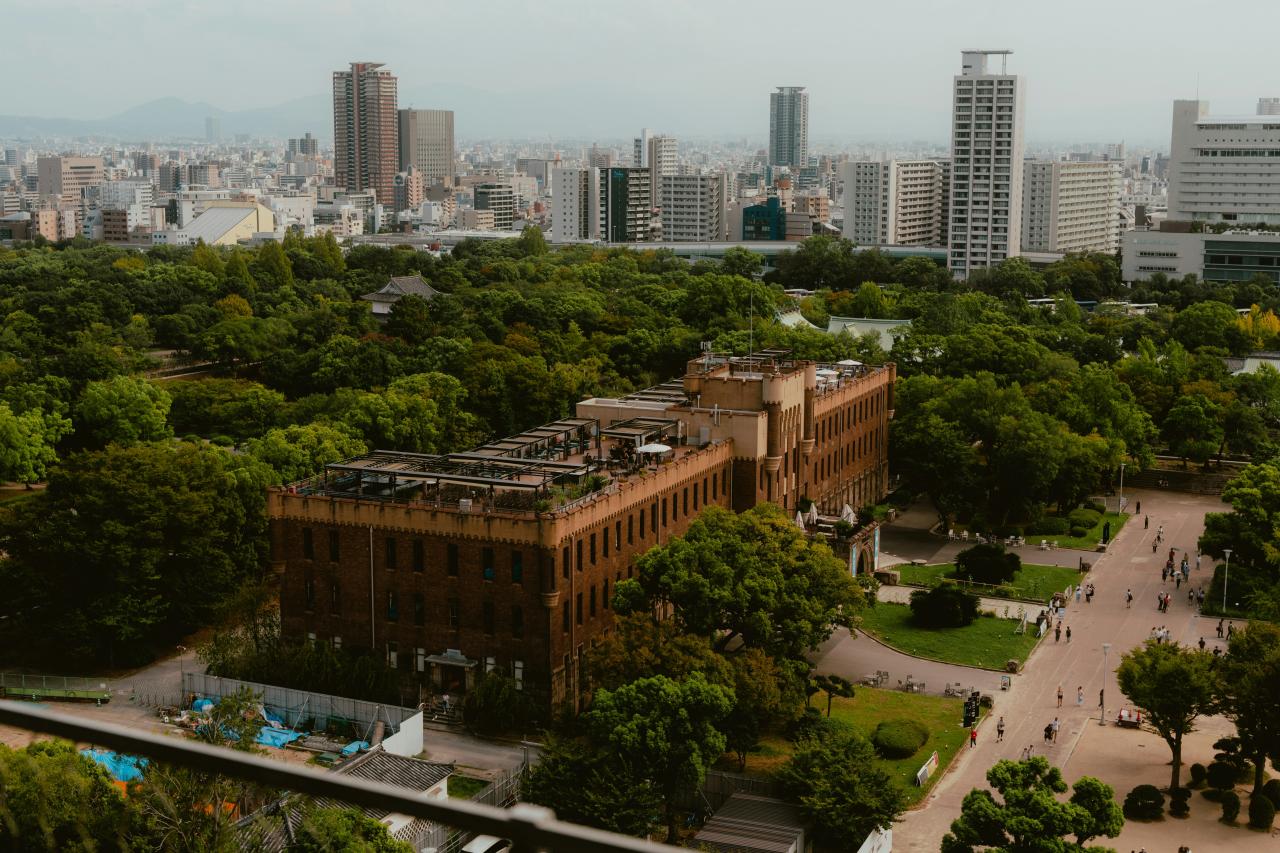
Elite sustainable urban spatial planning is the primary key to personal and collective sovereignty. This journey requires a disciplined balance of structural understanding and consistent policy execution. Every individual and policymaker must take full responsibility for the governance of their own urban hardware. The ability to optimize your living space offers a revolutionary way to upgrade your life without external reliance. Systemic complexity should be embraced as the mechanism that creates competitive advantages for the biological elite of the city. A successful urban habitat is built on a foundation of deep restorative green space and rigorous energy health. Continuous learning is the only way to keep pace with the rapid innovation of modern architectural research.
Emotional discipline is more important than technical knowledge when navigating the stresses of a dense urban world. Rigorous spatial protocols ensure that the physical breakthroughs you build today remain permanent social assets. The shift toward a bio-optimized urban society is an unstoppable force that will redefine human potential. By following these elite strategies, you position yourself on the right side of the spatial revolution. The city is not just a collection of buildings but the vessel through which you experience the freedom of life. The blueprints provided here are your roadmap to navigating the complex world of the human habitat. Focus on the science, ignore the superficial trends, and stay committed to your long-term spatial vision.
True structural sovereignty is the ultimate goal of every elite architect in the field of urbanism. The future of the world is healthy, resilient, and ready for those who are brave enough to build it. The road to prosperity is paved with preventive design and the courage to evolve beyond traditional limits. Stay curious about the way materials interact with the human spirit to create lasting peace. Always prioritize the long-term health of the planet over short-term aesthetic gains in your projects. Your commitment to sustainable excellence is the bridge that leads to a flourishing future for all. Take the first step today by rethinking the way your local neighborhood interacts with the sun and the soil. The architecture of tomorrow is waiting for the bold visionaries of today to give it form.